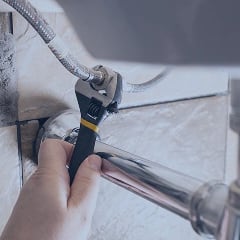
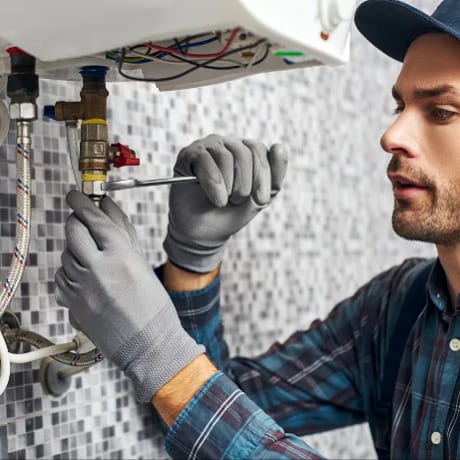
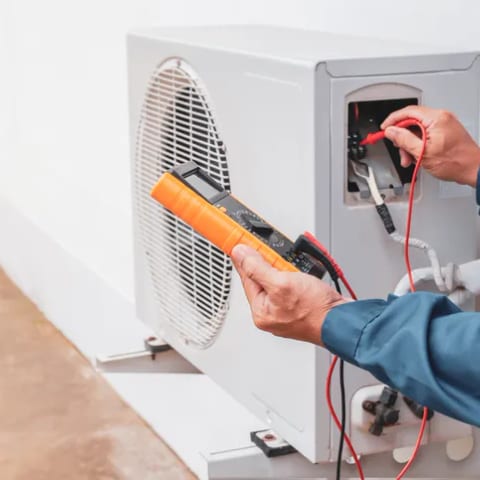
This Month's Verified Offers

Six ways to save right now

All specials & full terms
24/7 Emergency Dispatch Corona Glendale Pasadena Yorba Linda Same-Day Service Tustin Orange Newport Beach Irvine Upfront Pricing Costa Mesa Huntington Beach Westminster Santa Ana

Explore Your Home

What can we help you with in your home?

One call covers all of it — from the plumbing and drains & sewers to the water heaters, heating & AC, and indoor air systems. Pick a numbered system to see what it does, what fails first, and how we help — 20+ years, three SoCal offices, real people answering 24/7.

Cutaway illustration of a two-story Southern California home showing the plumbing, drain and sewer, water heater, heating, air conditioning, and indoor air quality systems Power Pro Plumbing Heating & Air services

Illustration of a typical Southern California home — each number matches the guide below.

PlumbingAll plumbing services

Kitchen sink, faucets & disposal

Main floor

Faucets, supply lines, the disposal, and the dishwasher connection all meet under this one cabinet — which is why the kitchen is where most SoCal homeowners first notice a plumbing problem. Small symptoms here speak early: a slow drip, a disposal hum, a cabinet floor that's swollen at the corner.

What fails first: faucet cartridges, disposal bearings, and the flexible supply lines — a $12 hose can cause a five-figure floor if it lets go.

Explore faucet & fixture service

Related: Garbage disposal repair

Bathrooms & toilets

Upper floor

Toilets, showers, and vanities do quiet, constant work — and a single running toilet can waste 200+ gallons a day without ever looking broken. Most bathroom repairs are quick, upfront-priced visits when they're caught at the 'annoying' stage instead of the 'ceiling stain' stage.

The tell: a toilet that refills at night, a shower that loses pressure when another fixture runs, or grout that stays damp for days.

Explore toilet & bathroom plumbing

Related: P-trap & drain odor fixes

Leak detection & slab leaks

Underground

Most LA & Orange County homes sit on a concrete slab, and the hot- and cold-water lines often run right through or under it. When one of those lines pinholes, the water has nowhere to go but up into flooring or sideways into soil — professional leak detection finds it acoustically and electronically without tearing up the house to look.

The tell: a warm spot on the floor, a water bill that jumps with nothing new running, or the sound of water moving when everything is off.

Explore leak detection service

Related: Whole-home repiping

Whole-home repiping

Garage

Behind the stucco, decades-old galvanized steel or thin-wall copper narrows and weakens with age — especially with SoCal's famously hard water scaling it from the inside. A whole-home repipe replaces it all with modern PEX or copper: steadier pressure, cleaner water, and no more chasing the next pinhole leak.

The tell: rusty morning water, pressure that drops when two fixtures run, and pinhole leaks that keep finding new spots.

Explore whole-home repiping

Related: Gas line serviceEarthquake shut-off valves

Drains & SewersAll drains & sewers services

Main sewer line

Underground

Buried between the house and the street, the sewer lateral carries everything out — invisibly, until it doesn't. In older LA & OC neighborhoods these laterals are often original clay or cast iron, and tree roots, offset joints, and bellies in the line are the usual suspects. Camera inspection shows exactly what's happening before anyone digs.

The tell: slow drains everywhere at once (not just one fixture), gurgling toilets, sewer odor in the yard, or a soggy patch of lawn that never dries.

Explore drain & sewer service

Related: Sewer camera inspectionTrenchless sewer repair

Drain cleaning & hydro jetting

Outside

That capped pipe at the foundation edge is the cleanout — our access point for clearing the whole drain system without pulling a toilet. Snaking punches a hole through a clog; hydro jetting scours the pipe wall clean with high-pressure water, which is why greasy kitchen lines and root-prone laterals stay clear so much longer after a jetting.

Worth knowing: our $44.50 drain cleaning special includes a camera inspection — you see exactly what we see in the line.

Explore drain cleaning & hydro jetting

Related: See the $44.50 drain special

Water HeatersAll water heaters services

Tank water heater

Garage

In SoCal the water heater almost always lives in the garage — strapped for earthquakes, working around the clock. Hard water is its enemy: sediment settles on the bottom, bakes onto the burner, and steals efficiency and years of service life. An annual flush is the cheapest life-extension there is.

What fails first: sediment rumble, a leaking temperature-and-pressure valve, and — around years 8 to 12 — the tank itself. A puddle under the tank means replacement, not repair.

Explore water heater service

Related: $44.50 water heater flush special

Tankless water heater

Garage

The wall-mounted box beside the tank is what most SoCal garages are converting to: endless hot water, no standing tank, and a 20-year service life. Sizing, gas line capacity, and venting decide whether a tankless unit actually delivers its rated output — the install matters as much as the unit.

Worth knowing: SoCalGas rebates up to $1,500 on qualifying high-efficiency tankless units (install by 12/31/26, while funds last) — we'll tell you exactly what your model qualifies for.

Explore tankless water heaters

Related: Financing options

Heating & ACAll heating & ac services

Furnace & air handler

Attic

SoCal builders put the furnace in the attic, not a basement — up where summer heat soaks it and nobody looks at it for years. It's the engine room of your comfort system: every degree you feel downstairs moves through this unit and the duct runs beside it.

What fails first: ignitors, flame sensors, and blower motors on systems past 12–15 years — usually the first cold night of December.

Explore heating & furnace service

Related: Furnace repair$44.50 furnace tune-up special

Heat pump

Outside

A heat pump heats and cools with one outdoor unit by moving heat instead of burning fuel — a near-perfect match for our mild SoCal winters and brutal summers. LADWP customers can currently claim up to $2,500 per ton on qualifying heat pumps, and SCE-territory homes may get instant equipment discounts.

Worth knowing: rebate funding is limited and first-come — if you've been considering the switch, the paperwork timing genuinely matters.

Explore heat pump systems

Related: Daikin heat pumps

AC condenser

Outside

The outdoor condenser doesn't make cold air — it rejects the heat your system just pulled out of the house. During a 100°F+ LA heat wave it works harder than anything else you own, and a unit that limps through June rarely survives August.

What fails first: capacitors around years 8–10, refrigerant leaks, and fan motors. “Running but not cooling” almost always starts here.

Explore AC repair & installation

Related: AC installation$500 off any AC system

Ductless mini-split

Upper floor

That slim wall unit is a ductless mini-split head — zoned heating and cooling for rooms the ductwork never reached. Garage conversions, ADUs, additions, and that one bedroom that never cools down are exactly what it was made for, and it dehumidifies as it runs.

What fails first: clogged condensate lines and dirty blower wheels — both preventable with simple seasonal care.

Explore ductless mini-split systems

Related: Daikin ductless systems

Smart thermostat

Main floor

The thermostat is the brain that decides when everything else in this cutaway runs. Rooms that never match its reading usually point to airflow, duct balance, or staging problems — not the thermostat itself — and that diagnosis is where we start.

The tell: one floor roasts while another freezes, or the system short-cycles on mild days. Both are fixable, and rarely need new equipment.

Explore thermostat service

Related: Power Club maintenance plans

Indoor AirAll indoor air services

Ductwork & duct cleaning

Attic

These silver runs carry every degree of comfort you pay for — and in a typical home, 15–25% of conditioned air leaks into the attic before it ever reaches a register. Years of dust, dander, and construction debris settle inside them too, which is why before-and-after duct cleaning photos look the way they do.

The tell: rooms that never match the thermostat, dust that returns overnight, and bills that creep up every season.

Explore duct cleaning service

Related: HVAC filters

Air scrubbers & filtration

Attic

Mounted on the return duct sits the filtration your lungs actually notice — every breath in the house passes through this spot several times a day. During wildfire-smoke season, the difference between a builder-grade 1-inch filter and a whole-home air scrubber is dramatic and immediate.

Worth knowing: a builder filter protects the equipment, not the people. Whole-home filtration and air scrubbers are a different class of clean — and air quality testing is free with any HVAC service.

Explore indoor air quality solutions

Related: Air scrubbers

Not sure which system is acting up? Take the 60-second diagnosis below — or just tell us the symptom.

One Home. One Team. Every System.

How every system in a SoCal home actually works

Tap a number and watch each system's story — water, drains, refrigerant, airflow — told right inside the house.

Built for LA & Orange County — slab foundations, attic ducts, and earthquake country

Cross-section of a single-story Southern California ranch home. Selecting a system animates how it works: the water supply from the city main, the drain and sewer lateral, tankless water heating, central air conditioning, the furnace, attic ductwork, a ductless mini-split, and air filtration. WATER SEWER
Water supply line

Every drop your home uses arrives through one line: from the city main, through the meter and pressure regulator, into the walls and out at every fixture. Old galvanized pipe chokes this line from the inside — pressure drop is the classic signal.

  1. City water in at the meter
  2. Regulated at the house wall
  3. Clean supply to every fixture
Drain & sewer lateral

Every fixture drains to one buried lateral that runs downhill to the city main — and in older LA & OC neighborhoods that lateral is often original clay or cast iron. Roots and bellies build up quietly; a camera inspection tells the truth before it backs up.

  1. Fixtures drain to one lateral
  2. The cleanout is camera access
  3. Downhill to the city main
Tankless water heater

Wall-mounted, on-demand hot water: it heats only while a tap is open, never runs out, and frees the garage floor space a 50-gallon tank used to claim — a natural fit for SoCal garages.

  1. Cold in when a tap opens
  2. Heated as it flows through
  3. Endless hot water out
Central air conditioning

The outdoor condenser rejects your home's heat to the outside air while refrigerant chills the coil above the furnace — then the blower pushes that cool air through the attic ducts to every room. Right-sizing from a real load calculation is what separates a good install from a loud one.

  1. Heat is rejected outside
  2. Refrigerant chills the coil
  3. Cool air to every room
Furnace / heating

A clean-burning gas flame warms the heat exchanger; house air passes over it — never through the flame — and carries that warmth to every room. A cracked heat exchanger is the CO risk we check on every heating visit.

  1. Clean-burning gas flame
  2. Air warms over the exchanger
  3. Warm air to every room
Ductwork & vents

The hidden freeway your conditioned air travels — up from the blower, along the attic trunks, down into each room, and back through the return. In SoCal attics, leaky runs dump the air you paid for into a 130° attic instead of your rooms.

  1. The blower pushes air up
  2. Supply ducts feed each room
  3. Returns carry it back
Ductless mini-split

Room-by-room heating and cooling with no ductwork — the wall-mounted head is perfect for Spanish bungalows, garage conversions, ADUs, and additions that never had central air.

  1. One small outdoor unit
  2. Slim lines through the wall
  3. Quiet comfort, room by room
Indoor air quality

Filtration and purification at the air handler — so the air your family breathes with the windows shut (which in a SoCal fire season is most of the year) is cleaner than the air outside.

  1. Air returns with dust & smoke
  2. Captured at the filter
  3. Cleaner air back out

How a heat pump works

One machine, both seasons

One outdoor unit both heats and cools your home — in summer it moves heat out; in winter a single part, the reversing valve, flips the direction and the same machine moves heat in. Flip the season and watch it run in reverse.

hot refrigerant cool refrigerant

Reversing valve — the part that flips the seasons.

In summer — Cooling

Right now it's an air conditioner: heat is being pulled out of the house and thrown away outside.

  1. 1 Absorb. Refrigerant in the indoor coil soaks up heat from your indoor air — the blower pushes the now-cooler air through the ducts.
  2. 2 Compress. The compressor squeezes the refrigerant, concentrating that heat.
  3. 3 Release. The hot refrigerant dumps its heat outdoors through the outdoor coil — that's the warm blast you feel next to the unit.
  4. 4 Expand & repeat. The refrigerant expands, chills back down, and heads inside for more.

In winter — Heating

Now it's a heater: the same machine grabs heat from the outdoor air and pushes it inside.

  1. 1 Absorb. Refrigerant in the outdoor coil soaks up heat from the outside air — yes, even a 48° morning holds plenty of heat energy.
  2. 2 Compress. The compressor squeezes the refrigerant, which raises its temperature sharply.
  3. 3 Release. The now-hot refrigerant releases that heat into your air at the indoor coil, and the blower sends it through the house.
  4. 4 Expand & repeat. The refrigerant expands, cools, and heads back outside for more.

Pricing & Financing

Know the Price —and the Monthly Payment.

Pick your project to see our installed-price range and what it looks like as a monthly payment with GreenSky or Synchrony financing.

1. Choose your project

$1,500–$3,600

Lasts ~8–12 yrs

What can change your price

  • Tank size
  • Gas line & venting upgrades
  • Seismic strapping & code upgrades
  • Permits & inspection

2. Pick a financing plan

Estimated monthly payment

$84–$200/mo

That’s about $3–$7/day — a cup of coffee.

Project total
$1,500–$3,600

Estimates only, with approved credit. Financing through GreenSky and Synchrony — your actual rate, term, and payment are confirmed at your quote. Purchase APR 26.99% applies to non-promotional balances.

What do these jobs usually cost around LA & Orange County?
  • Tank water heater replacement (40–50 gal)higher end includes code upgrades like seismic strapping$1,300–$4,500
  • Tankless water heater installtank-to-tankless conversions run higher (gas line, venting, panel)$3,500–$9,500
  • Drain cleaning (fixture / main line)$110–$600
  • Hydro jetting$350–$950
  • Sewer line repair$50–$250 per linear foot$1,000–$4,000
  • Sewer line replacement (incl. trenchless)$3,000–$15,000+
  • Whole-house repipePEX runs lower, copper higher$4,500–$18,000
  • Gas furnace replacement$3,800–$12,000
  • Central AC replacement (existing ducts)$5,500–$12,000
  • Furnace + AC full systemtop end includes new ductwork$8,000–$25,000+
  • Ducted heat pump installbefore utility rebates like LADWP's up to $2,500/ton$9,000–$18,000
  • Ductless mini-splitsingle zone to whole-home multi-zone$4,000–$18,000

Published Los Angeles & Orange County ranges compiled from Angi, HomeAdvisor, and regional cost guides (2026). Your exact price depends on your home — we quote upfront, in writing, before any work begins.

Free Symptom Checker · 3 questions · under a minute

What's wrong with my system?

Answer three quick questions and get an honest read: the likely causes, the safe checks you can do yourself, and when it's time to call.

No email required. No sales pitch. Just an honest read.

Question 1 of 3

System Symptom Details Guidance

Which system is acting up?

Common symptoms, honest answers

Every symptom below shows the most common honest answer — likely causes, the safe checks you can do yourself, and when it's time to call.

Air conditioning

It won't turn on at all

Dead thermostat screen

Likely causes

  1. Dead thermostat batteries.
  2. A tripped breaker cutting power to the system.
  3. A safety float switch (full condensate pan) cutting the low-voltage circuit.
  4. A failed transformer or control board.

Safe checks you can do yourself

  • Replace the thermostat batteries.
  • Check the breaker and reset the AC breaker once if tripped.
  • Take a flashlight look at the indoor unit's drain pan — if it's full of water, the float switch is doing its job.

When it's time to call

If fresh batteries don't wake it, the breaker re-trips, or the pan is full. A re-tripping breaker is a fault, not a nuisance — stop after one reset. A full pan means the drain line needs clearing before the system will run again.

Red flags — stop and call now: Breaker trips again immediately → leave it off and call.

Air conditioning repair & service

It runs, but blows warm air

Outdoor unit runs, air stays warm

Likely causes

  1. Low refrigerant from a leak.
  2. A dirt- or debris-blocked outdoor coil — a classic during SoCal heat waves; the coil can't dump heat.
  3. A compressor that runs but no longer pumps.
  4. Big duct leaks pulling in hot attic air.

Safe checks you can do yourself

  • Replace a dirty filter.
  • Clear leaves, dryer lint, and vegetation at least 2 feet around the outdoor unit — don't open anything, just clear around it.
  • Feel two vents: if air is cool at one and warm at another, suspect ducts, not refrigerant.

When it's time to call

Refrigerant work is EPA-licensed-only territory — there is no safe DIY here. Honest note: “topping off” refrigerant every summer without fixing the leak is renting a repair; ask any company you call to find the leak, not just refill.

Air conditioning repair & service

Weak airflow from the vents

Weak airflow everywhere

Likely causes

  1. A clogged air filter.
  2. A coil beginning to ice over — which chokes airflow further.
  3. A failing blower motor or wrong blower speed.

Safe checks you can do yourself

  • Pull the filter and hold it to a light — if you can't see light through it, replace it.
  • Make sure all supply registers are open.
  • Listen at the indoor unit: is the blower actually spinning up?

When it's time to call

If a fresh filter doesn't restore airflow within a few hours. Blower motors and iced coils are tech territory; running a starved system stresses the compressor.

Air conditioning repair & service

Ice on the unit or copper lines

Iced coil, airflow-starved

Likely causes

  1. A clogged filter or blocked returns starving the coil of warm air, so it freezes.
  2. Blower problems doing the same thing.

Safe checks you can do yourself

  • Switch cooling OFF and the fan to ON — let it thaw for 2–4 hours (put towels by the indoor unit; melting ice makes water).
  • Replace the filter.
  • Open every register, then try cooling again.

When it's time to call

If it re-freezes after a thaw and a fresh filter. Repeated freezing with good airflow points at refrigerant, and running an iced system can slug and kill the compressor — the most expensive part in the machine.

Air conditioning repair & service

Water leaking around the indoor unit

Water at the indoor unit or ceiling stain

Likely causes

  1. A clogged condensate drain line — algae and dust; the #1 cause.
  2. A rusted or cracked drain pan.
  3. A failed condensate pump.
  4. An iced coil melting off.

Safe checks you can do yourself

  • Flashlight look at the pan and the drain-line outlet (usually a small pipe ending outside) — is the outlet bone-dry while the pan is full? That's the clog.
  • Put a towel or shallow pan under any active drip.

When it's time to call

Promptly if there's a ceiling stain — attic units drip into drywall and the damage bill outruns the plumbing bill fast. Line clearing is a quick visit.

Air conditioning repair & service

Strange noises (buzzing, screeching, banging)

Outdoor buzzing/humming

Likely causes

  1. A failing capacitor or contactor — buzzing that precedes a no-start.
  2. A fan obstruction.
  3. Loose hardware vibrating.

Safe checks you can do yourself

  • Look — don't reach — through the top grille for obvious debris like a twig against the fan.
  • Note whether the fan still spins up.

When it's time to call

Soon if the buzz is new or the fan hesitates on start. Catching a $30 capacitor before it strands the compressor on a 100° day is the cheapest AC repair there is.

Air conditioning repair & service

Runs constantly / can't keep up (heat wave)

Can't keep up in a heat wave

Likely causes

  1. Physics — most systems are designed to hold about 20°F below outdoor temperature, so 78° inside at 103° outside is on spec.
  2. A dirty coil or filter stealing capacity right when you need all of it.
  3. Duct leaks dumping cold air into the attic.

Safe checks you can do yourself

  • Put in a fresh filter.
  • Clear 2 feet around the outdoor unit.
  • Close blinds on the sun side.
  • Set a realistic target and let it run — short setbacks make it work harder.

When it's time to call

If it can't hold within ~5° of a reasonable setpoint, ices up, or this is new behavior at temperatures it used to handle. Honest read: a struggling-but-running AC in record heat is often normal; a change in behavior is the real signal.

Air conditioning repair & service

Heating

Carbon monoxide alarm went off

STOP — safety first: Carbon monoxide alarm is sounding

Likely causes

  1. A fuel-burning appliance (furnace, water heater, range) is putting CO into your air.
  2. Attached-garage exhaust drifting indoors. CO is invisible and odorless — trust the alarm, not your nose.

Safe checks you can do yourself

  • None. Get every person and pet outside immediately.

When it's time to call

911 from outside. Do not re-enter until the fire department clears the house. Afterward, have the flagged appliance inspected by a licensed tech before running it again — that's when a combustion-safety inspection is worth every penny.

Red flags — stop and call now: A sounding CO alarm is the emergency — out of the house, then 911.

No heat — system won't start

Dead thermostat, no heat

Likely causes

  1. Dead thermostat batteries.
  2. The furnace's service switch flipped off.
  3. A tripped breaker.
  4. A control or transformer fault.

Safe checks you can do yourself

  • Put in fresh batteries.
  • Find the switch on or beside the furnace that looks exactly like a light switch — it gets bumped off more than anyone admits — make sure it's ON.
  • Check the breaker, one reset.

When it's time to call

If power's confirmed and the screen stays dark. Low-voltage faults are quick diagnostics for a tech and a rabbit hole for everyone else.

Heating services

It runs, but blows cold air

Heat pump air feels cool

Likely causes

  1. Nothing — heat-pump supply air (85–92°F) is cooler than furnace air but still well above room temperature; it heats by volume, not blast.
  2. A defrost cycle blowing cool air for a few minutes.
  3. An actual fault only if the house temperature is falling.

Safe checks you can do yourself

  • Hold a thermometer at a vent — anything meaningfully above room temperature means it's working.
  • Watch the house temperature over an hour rather than judging by hand-feel.

When it's time to call

If the house can't hold temperature, the auxiliary/emergency heat runs constantly (watch the bill), or the outdoor unit ices over solid and stays that way. Honest read: “cooler-feeling air” is the #1 false alarm we see on heat pumps in mild SoCal winters.

Heating services

Starts, then shuts off, over and over

Lights, then dies in seconds

Likely causes

  1. A dirty flame sensor — it can't prove the flame exists, so the control shuts the gas. This is the most common furnace repair, period.
  2. A weak igniter.
  3. A venting or pressure-switch fault.

Safe checks you can do yourself

  • None beyond a filter check — the flame sensor lives behind the burner compartment, and that's not homeowner territory.

When it's time to call

Now-ish; the fix is typically fast and inexpensive. Left alone, the furnace will eventually lock out on a cold night.

Furnace repair

Pilot light / ignition trouble

Pilot won't stay lit after the knob

Likely causes

  1. A worn thermocouple — it can no longer prove the pilot's lit, so the gas valve closes the instant you let go.
  2. A weak or dirty pilot flame.
  3. A failing gas valve.

Safe checks you can do yourself

  • A visual only — note the pilot flame's color and size through the sight glass if it lights (steady blue = healthy; weak yellow = starved). Skip repeat attempts; each one releases a little unburned gas.

When it's time to call

This week. A thermocouple swap is a routine, inexpensive visit. If you smell gas at any point, that changes everything: leave and call SoCalGas 1-800-427-2200.

Furnace repair

Burning or odd smell from the vents

Dusty burn-off at first seasonal use

Likely causes

  1. Summer's dust layer burning off the heat exchanger — the classic first cold-night smell.
  2. A filter overdue for a change adding to it.

Safe checks you can do yourself

  • Crack a window, run the heat, and give it 30–60 minutes — the smell should fade the same day.
  • Replace the filter if it's due.

When it's time to call

Only if the burning smell persists past the first day, gets stronger, or smells electrical rather than dusty. First-use burn-off is normal; you likely don't need anyone.

Loud noises (boom, squeal, rumble)

Boom on ignition

Likely causes

  1. Delayed ignition — gas pools in the burner box for a few seconds before lighting, then ignites all at once.
  2. Dirty burners, a weak pilot/igniter, or misaligned burners behind it.

Safe checks you can do yourself

  • Stop using the heat.
  • A sniff-check for gas odor near the unit (from a respectful distance) — if present, leave and call the utility.

When it's time to call

Before the next use. Small ignition booms crack heat exchangers and singe components; this is a genuine “don't run it until it's looked at” symptom, and we'd tell you the same if you'd bought the furnace yesterday.

Furnace repair

Some rooms stay cold

Same rooms always cold

Likely causes

  1. Weak or leaking duct runs to those rooms.
  2. Closed or blocked registers.
  3. Long duct runs that were never balanced.

Safe checks you can do yourself

  • Open the cold rooms' registers fully.
  • Close the door and feel for airflow at the vent with the fan ON.
  • Clear furniture off vents.

When it's time to call

For a duct inspection and balancing — this is an air-delivery problem, and no thermostat or furnace swap fixes ducts. Honest note: sometimes the fix is as small as a damper adjustment.

Duct cleaning & duct services

Water heater

No hot water at all

Gas water heater, no hot water

Likely causes

  1. The pilot is out.
  2. A failed thermocouple/thermopile shutting the gas valve.
  3. A gas supply interruption.
  4. A failed gas control valve.

Safe checks you can do yourself

  • Look through the little sight window near the bottom — is the pilot flame visible?
  • Check whether other gas appliances work (isolates a supply problem).
  • Confirm the temperature dial isn't turned to “vacation/off.”

When it's time to call

If the pilot's out or the burner won't fire. Thermocouple and pilot-assembly work is quick for a licensed tech; it's gas work, so it isn't a DIY item on this checker.

Red flags — stop and call now: Gas smell anywhere near the unit → leave, SoCalGas 1-800-427-2200 or 911.

Water heater services

Not enough hot water / runs out fast

Hot water shrank gradually

Likely causes

  1. Sediment — LA & OC water is hard, and mineral buildup steadily eats tank capacity and insulates the burner from the water.
  2. An aging element (electric) losing output.

Safe checks you can do yourself

  • Listen during a heating cycle — popping or rumbling is sediment announcing itself.
  • Note the tank's age from the serial-number sticker.

When it's time to call

For a professional flush if the tank is under ~8–10 years old. Honest math: on a 12+-year-old tank, a flush can stir up more trouble than it fixes — that's the point where a replacement conversation is the truthful one, not an upsell.

Water heater services

Water is scalding hot

Scalding after a dial change

Likely causes

  1. The thermostat dial is simply set too high.
  2. Nothing else — this one's usually exactly what it looks like.

Safe checks you can do yourself

  • Turn the external dial to about 120°F (often the mark between “warm” and “hot”) and give it a few hours to settle. 120°F prevents scalding — matters most with kids or elders at home.

When it's time to call

Only if the temperature won't respond to the dial — that points at a failed thermostat or gas control, which is a real repair.

It's leaking

Leak at the top fittings

Likely causes

  1. Loose or corroded inlet/outlet connections.
  2. A weeping flex line.
  3. A failing anode-rod port seal.

Safe checks you can do yourself

  • If it's actively dripping, close the cold-water shutoff valve on the line feeding the tank (turn clockwise).
  • Towel and bucket.
  • Photos help whoever comes out.

When it's time to call

Soon but not panicked — top-side fitting leaks are usually repairable without replacing the tank. That's good news worth knowing before anyone quotes you a new unit.

Water heater services

Rusty or smelly hot water

Rust only in hot water

Likely causes

  1. A depleted anode rod letting the tank corrode — the anode sacrifices itself for years, then quits.
  2. Rusting steel hot-water pipes in older homes.

Safe checks you can do yourself

  • Run a hot-only tap into a white cup, then a cold-only tap — confirming it's truly hot-side-only is the whole diagnosis you can do from outside.

When it's time to call

Reasonably soon. If the tank is mid-life, a new anode rod can add years; if it's old, rust is the tank's early retirement notice — better to plan the replacement than have it choose its own moment.

Water heater services

Popping, rumbling, or whining

Popping/rumbling tank

Likely causes

  1. Sediment — water trapped under a hardened mineral layer flashes to steam and pops.
  2. In LA & OC hard water, this is close to universal on unflushed tanks past a few years.

Safe checks you can do yourself

  • None needed to confirm — the sound is the diagnosis.

When it's time to call

For a flush while the tank is young enough to benefit; sediment makes every therm cost more and shortens tank life. On an old tank, honest answer again: flushing can open leaks — a tech should assess before touching the drain valve.

Water heater services

Pilot light keeps going out

Pilot dies at knob release

Likely causes

  1. A worn thermocouple — it must feel the flame before the valve stays open; when it weakens, the valve drops the instant you release.
  2. A dirty pilot orifice making a too-small flame.

Safe checks you can do yourself

  • Look at the flame while holding: healthy is steady blue wrapping the thermocouple tip; weak yellow means starved. Look only — repeat attempts release unburned gas.

When it's time to call

This week — a thermocouple is one of the least expensive gas repairs there is.

Water heater services

Tankless problems (error code, lukewarm)

Tankless error code

Likely causes

  1. Scale buildup tripping temperature/flow sensors — the #1 tankless issue in hard-water SoCal.
  2. Venting or combustion-air faults.
  3. Gas-supply pressure.

Safe checks you can do yourself

  • Write down the exact code and look it up in the manual (or the maker's site) — totally safe and it tells whoever you call exactly what to bring.
  • One power-cycle at the unit's plug or switch is fine; more than one is denial.

When it's time to call

If the code returns after one power cycle. If the unit's never been descaled and you're past year 2–3 on unsoftened water, assume scale until proven otherwise.

Tankless water heaters

Drains & sewer

One fixture is slow or clogged

Slow bathroom sink/tub/shower

Likely causes

  1. Hair and soap scum matted at the stopper or trap — far and away #1.
  2. Mineral scale narrowing older drains.

Safe checks you can do yourself

  • Lift out the pop-up stopper or shower strainer and clear what's on it (gross, free, effective).
  • A few firm plunges with standing water.
  • Skip chemical drain cleaners — they rarely clear hair mats, they damage pipes, and they burn the plumber who works on the drain next.

When it's time to call

If the stopper cleaning and plunger don't restore flow — a proper auger clears the trap arm in minutes. Recurring slowness in the same drain hints at a bigger narrowing worth a look.

Drain cleaning

Several drains are slow at once

Multiple slow drains, lowest first

Likely causes

  1. A main sewer line blockage building — tree roots are the top cause in older LA & OC neighborhoods.
  2. Heavy scale or grease in the main.
  3. A bellied (sagging) section collecting debris.

Safe checks you can do yourself

  • Ease off water use — every gallon goes toward the eventual backup.
  • Confirm the pattern: multiple fixtures = mainline; one fixture = branch.

When it's time to call

Now, before it becomes a backup on a Sunday night. Ask for a camera inspection with the clearing — seeing roots vs. grease vs. a break changes everything about what you should pay for next.

Drain & sewer services

Sewage backing up

STOP — safety first: Sewage is actively backing up

Likely causes

  1. Your main sewer line is blocked — tree roots and aging lines are the usual culprits in older LA & OC neighborhoods.
  2. Everything you drain now comes back up at the lowest fixture.

Safe checks you can do yourself

  • Stop using ALL water — every flush and shower feeds the backup.
  • Keep kids and pets away from the water; raw sewage is a genuine health hazard.
  • If it's reached outlets or appliances and your breaker area is dry, switching off breakers to that room is reasonable — otherwise leave the electrical alone.

When it's time to call

Right away — this doesn't self-resolve, and cleanup cost grows by the hour. Ask for a mainline clearing plus a camera inspection so you learn why it happened, not just a temporary hole in the clog.

Red flags — stop and call now: Raw sewage indoors is a health hazard — stop all water use now.

Drain & sewer services

Gurgling sounds or sewer smell

Cross-fixture gurgling

Likely causes

  1. A partial mainline or branch blockage forcing air through neighboring traps.
  2. Blocked or inadequate venting making drains gasp for air.

Safe checks you can do yourself

  • Map it — which fixture gurgles when which one drains; that pattern localizes the blockage better than any guess.

When it's time to call

Soon; gurgling is the early-warning stage where a clearing is cheap and a backup hasn't happened yet. Best-value moment on the whole timeline.

Drain cleaning

Toilet keeps clogging / weak flush

One toilet clogs repeatedly

Likely causes

  1. A partial obstruction lodged in the trapway — the toy scenario; it passes water until paper snags on it.
  2. A weak flush from a misadjusted tank.
  3. Mineral-clogged rim jets on older bowls.

Safe checks you can do yourself

  • Lift the tank lid (just a lid) and watch a flush — does the flapper stay up for a full flush or slam shut early?
  • Does the bowl's water level look normal between uses?

When it's time to call

A recurring single-toilet clog earns an auger and, if that fails, a pull-and-inspect. Honest note: if the toilet is the problem, a modern one out-flushes it for less than serial service calls.

Toilet repair & replacement

Garbage disposal trouble

Disposal hums but won't spin

Likely causes

  1. A jam — something (fruit pit, bone shard, utensil) wedged between the impeller plate and the grind ring.
  2. Worn grind components if it jams routinely.

Safe checks you can do yourself

  • Switch it OFF first, always. Never put your hand in it, powered or not.
  • Insert the hex wrench that came with it (or a 1/4″ allen key) into the socket on the disposal's bottom and work it back and forth to free the plate.
  • Press the red reset button underneath, then try again with cold water running.

When it's time to call

If the hex trick doesn't free it, or it jams routinely — bearings and grind components wear, and a persistent hum cooks the motor.

Red flags — stop and call now: Burning smell while it hums → switch off, leave it off.

Garbage disposal repair

Plumbing leak or fixture

I smell gas

STOP — safety first: You smell gas: leave now

Likely causes

  1. A gas leak at a line, fitting, valve, or appliance.
  2. It does not matter which yet — the smell is the signal.

Safe checks you can do yourself

  • None. Do not flip any switch, light anything, or start a car in an attached garage.
  • Leave the doors open on your way out if they're already open — never go back inside to open them.

When it's time to call

Now, from outside or a neighbor's. Call SoCalGas at 1-800-427-2200, or 911 if the smell is strong or you hear hissing. Only after the utility clears the property does a licensed plumber's gas-line repair come into play.

Red flags — stop and call now: This IS the red flag — leave first, make the calls from outside.

Dripping faucet or running toilet

Dripping faucet

Likely causes

  1. A worn cartridge, washer, or seat inside the faucet.
  2. Hard-water scale chewing those parts faster than the brochure promised.

Safe checks you can do yourself

  • Confirm which handle side drips (hot/cold).
  • If it's maddening tonight, close that fixture's shutoff under the sink until it's fixed.

When it's time to call

At your convenience — but for perspective, one drip per second is roughly 3,000 gallons a year on your bill. Cartridge swaps are quick; on a corroded older faucet, replacing the fixture is sometimes the cheaper honest path.

Faucet repair

Low water pressure

Low pressure at one fixture

Likely causes

  1. A scale-clogged aerator or showerhead — hard-water special.
  2. That fixture's shutoff valve not fully open.
  3. A kinked supply line under the sink.

Safe checks you can do yourself

  • Unscrew the faucet aerator (hand-tight fitting at the spout tip) and rinse the grit out — fixes a huge share of these.
  • Check the fixture's shutoff valves are fully open.
  • Soak a scaled showerhead in vinegar overnight.

When it's time to call

If a clean aerator and open valves don't restore it — then the restriction is inside the faucet body or its supply, a small repair.

Faucet repair

Visible leak / water where it shouldn't be

Leak under a sink

Likely causes

  1. A loose P-trap connection.
  2. A failed supply line or its connection.
  3. The faucet base or sprayer hose leaking down from above.

Safe checks you can do yourself

  • Dry everything, lay a paper towel, run the faucet, then fill-and-drain the basin — where the towel wets first tells you drain side vs. supply side.
  • If it's a supply drip, close that line's shutoff valve.

When it's time to call

Supply-side leaks deserve fast attention (they run whether or not you use the sink); drain-side leaks only leak when you use it, so you can shut the cabinet and schedule calmly. Braided supply hoses are cheap insurance while someone's there.

Plumbing services

Water bill spiked — hidden leak?

Meter moves with everything off

Likely causes

  1. A leaking toilet flapper — the #1 hidden water thief; silent and huge.
  2. A slab or underground service-line leak.
  3. A stuck water softener or RO unit cycling.

Safe checks you can do yourself

  • Food-coloring test every toilet first (dye in tank, 15 minutes, look in bowl) — cheapest suspect, most common culprit.
  • Then close the house main: if the meter STOPS, the leak is inside; if it keeps moving, it's in the yard line between meter and house.

When it's time to call

Once your two tests localize it. Inside + no dyed toilets = professional leak detection. Meter-to-house = service-line repair. Either way you'll make that call knowing roughly what it is — which is the point of this checker.

Leak detection

No water, or a trickle, whole house

Whole street is out

Likely causes

  1. A municipal main break or utility work — not your plumbing at all.
  2. Nothing in your house caused this.

Safe checks you can do yourself

  • Check your water utility's outage page or call their line — that's genuinely the whole list.

When it's time to call

The utility, not a plumber — and never let anyone charge you a service call for a city outage. When water returns, run a cold tap a few minutes to flush any stirred-up sediment before using hot water (protects the water heater from a gulp of grit).

Banging or noisy pipes

Water hammer bang

Likely causes

  1. Fast-closing solenoid valves slamming moving water to a stop — the shock wave is the bang.
  2. It worsens with high house pressure or waterlogged/absent hammer arrestors.

Safe checks you can do yourself

  • Identify which appliance triggers it (start a wash cycle and listen).
  • If you have a pressure gauge on a hose bib, note the reading — over ~80 psi makes everything worse and is also out of code.

When it's time to call

Worth fixing, not just annoying — repeated hammer stresses joints and hoses until one lets go. Hammer arrestors at the offending appliance are a modest job; if pressure's high, the PRV is the real patient.

Plumbing services

Indoor air

Allergies or congestion worse indoors

Symptoms spike when the system runs

Likely causes

  1. A low-grade or overdue filter letting the system redistribute dander, dust, and pollen.
  2. Dirty ductwork re-seeding the air each cycle.
  3. A dirty evaporator coil.

Safe checks you can do yourself

  • Check the filter's condition AND its rating — a builder-grade fiberglass filter stops rocks, not allergens; MERV 11–13 (if your system's manual allows) is a cheap upgrade.
  • Look at a supply register with a flashlight for visible dust mats.

When it's time to call

If a better filter doesn't move the needle in a couple of weeks. Honest guidance on duct cleaning: it helps when there's a real contamination (visible mold, vermin, renovation dust) — ask for photo/video evidence of what's in YOUR ducts before paying, and be wary of anyone selling it annually.

Indoor air quality solutions

Musty smell when the system runs

Musty burst at startup

Likely causes

  1. Microbial film on the evaporator coil and in the condensate pan — the “dirty sock” smell — blasted loose each startup.
  2. A stagnant condensate trap.

Safe checks you can do yourself

  • Flashlight look at the condensate pan area for standing water or slime (look, don't disassemble).
  • Run the fan a few minutes and note if the smell truly fades — startup-only is the signature of coil film.

When it's time to call

At your convenience — a coil cleaning and pan treatment usually ends it. Mild and common, but it doesn't improve on its own.

Indoor air quality solutions

Excessive dust, no matter the cleaning

Dust puffs from vents

Likely causes

  1. Duct leaks on the return side vacuuming attic or crawlspace dust and blowing it into rooms — attic dust plus Santa Ana wind season makes this a SoCal staple.
  2. Heavily loaded ducts shedding.

Safe checks you can do yourself

  • White-tissue test — hold a tissue over a supply register at startup and see what it catches.
  • Check the filter is seated with no bypass gaps around its frame.

When it's time to call

For a duct-leakage check — sealing return leaks fixes the dust at its source and usually pays energy dividends too. Cleaning without sealing refills itself.

Duct cleaning & duct services

Humidity trouble (muggy or too dry)

Muggy while AC runs

Likely causes

  1. The thermostat fan set to ON — between cooling cycles the fan re-evaporates moisture off the wet coil and pumps it right back into the house (the sneakiest setting mistake there is).
  2. An oversized AC that cools fast but never runs long enough to dehumidify.
  3. Big attic-duct leaks pulling humid air in.

Safe checks you can do yourself

  • Set the fan to AUTO — genuinely check this first; it fixes more mugginess than any purchase.
  • Longer, cooler cycles dehumidify better than short blasts.

When it's time to call

If AUTO doesn't fix it — oversizing and duct leakage are diagnosable, and the honest fix might be duct sealing rather than any new equipment.

Air conditioning repair & service

Stuffy rooms / stale air

Same rooms always stuffy

Likely causes

  1. Weak supply airflow to those rooms (duct balance/leaks).
  2. No return path — a closed door with no return grille pressurizes the room and chokes its own supply.

Safe checks you can do yourself

  • The door test — does airflow improve noticeably with the door open?
  • Check for a gap under the door (an inch matters).
  • Registers fully open, unblocked.

When it's time to call

For duct balancing or return-path fixes (jumper ducts, transfer grilles) — small-sounding work that transforms stubborn rooms. Equipment is rarely the problem here.

Duct cleaning & duct services

Carbon monoxide or gas safety worry

STOP — safety first: Carbon monoxide alarm is sounding

Likely causes

  1. A fuel-burning appliance (furnace, water heater, range) is putting CO into your air.
  2. Attached-garage exhaust drifting indoors. CO is invisible and odorless — trust the alarm, not your nose.

Safe checks you can do yourself

  • None. Get every person and pet outside immediately.

When it's time to call

911 from outside. Do not re-enter until the fire department clears the house. Afterward, have the flagged appliance inspected by a licensed tech before running it again — that's when a combustion-safety inspection is worth every penny.

Red flags — stop and call now: A sounding CO alarm is the emergency — out of the house, then 911.

Our Guarantees

Powerful. Professional. Guaranteed.

100% Satisfaction Guarantee

If something isn't right, we make it right — no questions asked. Comprehensive warranties protect your investment.

Price Match Guarantee

Found a lower quote for the same scope? We have a price match guarantee — call and ask, it's that simple.

Free Estimates, Upfront Pricing

You approve clear options and exact pricing in writing before any work begins. No surprises on the invoice — ever.

24/7 · Same-Day Service

Real people answer around the clock, and same-day appointments are available across Los Angeles & Orange County.

Why Power Pro

Great People, Great Service — for 20+ years.

  • 20+ years serving Los Angeles & Orange County
  • Three local offices: Cerritos, Gardena & Anaheim — at your property in as little as 45 minutes
  • Licensed, insured, background-checked technicians with weekly training
  • Verified Daikin Comfort Pro dealer — and we service every major brand
  • Price match guarantee + 100% satisfaction guarantee
  • One company for plumbing, drains, water heaters, heating, AC & air quality

Trust

Upfront pricing, honest recommendations, and the same technician standards in every home.

Care

Real people answer 24/7 because breakdowns don't book appointments. We treat your home like ours.

Professional

Weekly training, certified installers, and workmanship we stand behind in writing.

The owner of Power Pro Plumbing, Heating & Air

Family-owned & locally operated

Great People. Great Service. Peace of Mind.

Power Club

Join the club. Save 15% on every service.

  • 15% off services
  • Extended labor warranty
  • Year-round maintenance visits

Financing Available

0% interest for 18 months.

Don't put off a failing water heater or a struggling AC. Replace it now and pay over time — fast credit decisions, subject to approval.

1,400+

Google Reviews Across LA & OC

20+ years of showing up on time, quoting upfront, and treating your home like our own.

HomeAdvisor screened and approved badgeNATE certified badgeBetter Business Bureau accredited badge

“So wonderful, so kind, so helpful. Emiliano & chris came out next day to fix a leak we had on our bathtub. they were extremely fast & helpful & got it done same day. we were presented with options for what we could pay & didn’t feel pressured to do anything. We will always be using power pro for our plumbing needs. thank you again!!! 🩷”

Olivia Richards

Jul 2026

“I love this company and the tech’s are very professional and get the job done. My a/c unit is back up and running! Glad to be a member. Thank you guys!”

Edmund Hernandez

Jul 2026

“Tony was excellent and did a very good job very clean work”

Bob Raj

Jul 2026

The Crew, Off the Clock & On the Job

Follow the Power Pro Crew

Real jobs, real techs, real reviews — 1,400+ on Google alone. See who shows up at your door before you ever book.

1,400+

Google reviews — read what neighbors say

Customer Testimonial Customer testimonial — why neighbors call Power Pro back

Brand Anthem Cerritos' emergency plumbing, AC & heater repair — the Power Pro brand anthem

Booking Tutorial How to book service online with Power Pro — quick tutorial

Press & Media

Power Pro On Air

As heard on trade podcasts and SoCal radio — our founder Raul Rodriguez and the Power Pro crew, featured on the airwaves we grew up with.

The Catalyst for the Trades podcast artwork

Featured Guest Episode

40 Years in the Trades: Raul Rodriguez on Building People-Centered, Resilient Service Companies

Our founder Raul Rodriguez, as heard on The Catalyst for the Trades — four decades of building a people-first plumbing & HVAC company in LA and Orange County.

95.9 FM The Fish

Featured on SoCal's Christian radio station — a partnership built around helping neighbors, not just airtime.

Our 95.9 FM The Fish partnership

Speak Joy

The 501(c)(3) we support with The Fish — granting real help to nominated neighbors across LA & OC.

Read the Speak Joy stories

710 ESPN Los Angeles

Heard on LA sports radio — including Mason & Ireland host John Ireland's own tankless water heater story.

Read the ESPN partnership story
Explore all press & media

Utility Rebates — What's Actually Live

We track the rebates so you don't have to.

Rebate programs open, close, and run out of funding constantly. These are the programs genuinely paying LA & Orange County homeowners right now — and we'll tell you exactly what your project qualifies for at your quote.

SoCalGas

Up to $1,500

on qualifying high-efficiency tankless water heaters — and up to ~$2,000 on 97% AFUE furnaces. Install by 12/31/2026, while funds last.

LADWP

Up to $2,500/ton

Consumer Rebate Program on qualifying heat pumps (and up to $2,500 on heat pump water heaters) for LADWP electric customers in the City of LA. Funding limited.

SCE

Instant discounts

midstream equipment discounts on qualifying heat pump equipment ($300+/ton central, up to $600/ton mini-split) applied through participating distributors.

Program status verified July 2026 — amounts, eligibility, and funding are set by each utility and can change or run out without notice. Federal energy tax credits ended for installations after 12/31/2025, and California's TECH/HEEHRA rebates are fully reserved — if that changes, we'll be the first to tell you.

See rebates + financing together

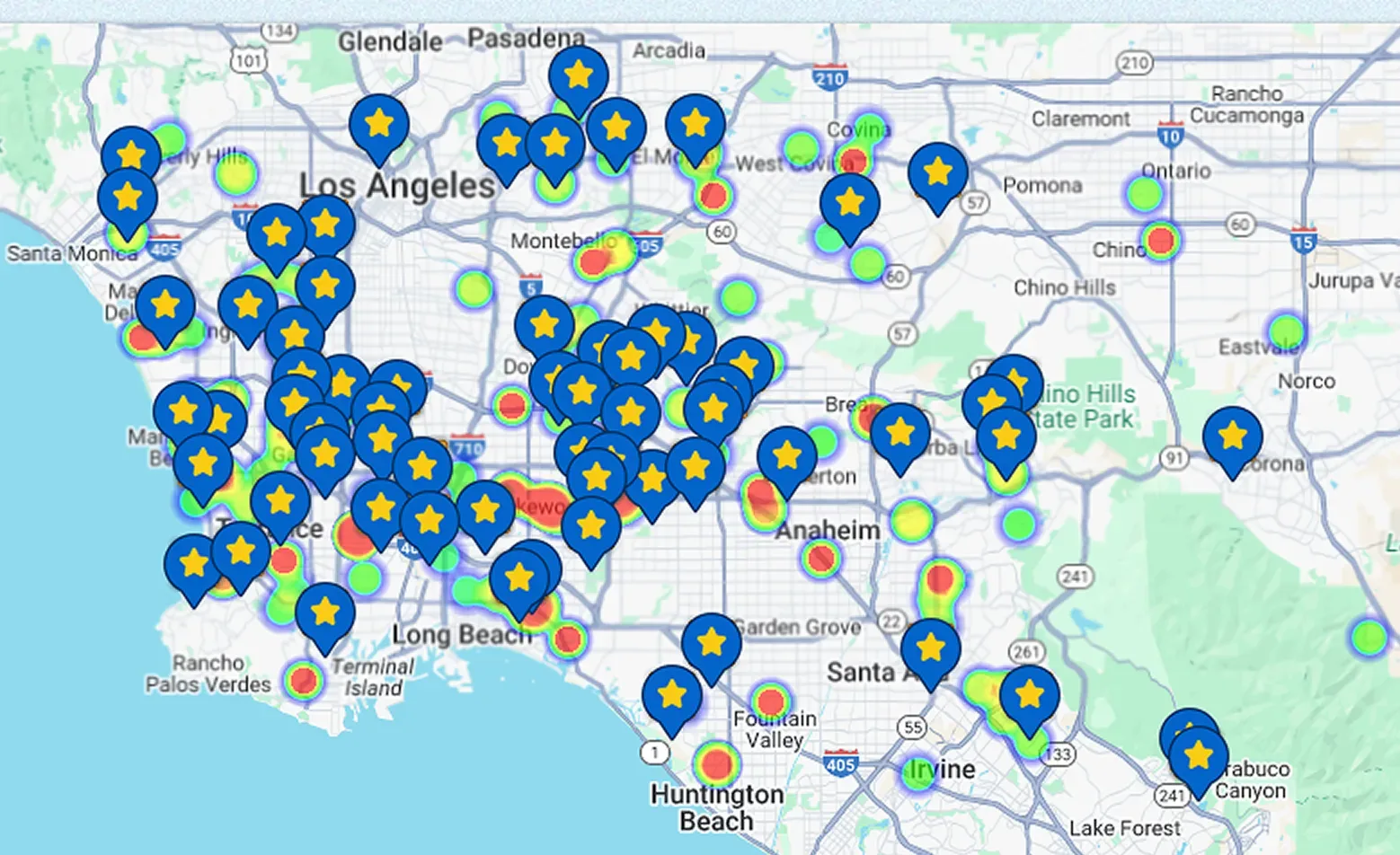
Service Areas

One team. 150+ cities across LA & OC.

Three dispatch offices mean a Power Pro truck is never far from your street — from the South Bay to North Orange County.

View All Service Areas

Cerritos

11441 Beach St, Cerritos, CA 90703

Gardena

18105 S Hobart Blvd, Gardena, CA 90248

Anaheim

1231 N Patt St, Anaheim, CA 92801

Map of Power Pro service coverage across Los Angeles and Orange County with completed job pins
Real jobs, real pins — our coverage across Los Angeles & Orange County.

Certified, Screened & Partnered

Daikin Comfort Pro partnerRheem productsHomeAdvisor screened and approvedNATE certified techniciansBBB accredited businessThe Home Depot Home Services

Book Service

Ready when you are — 24/7.

Real people answer around the clock. Tell us what's going on and we'll dispatch a licensed pro from the office nearest you.

Before You Go

$44.50 drain cleaning — camera inspection included.

Real people answer 24/7 across LA & Orange County. Grab the special, or ask us about 0% financing for 18 months on bigger jobs.